Spring kickoff across Illinois
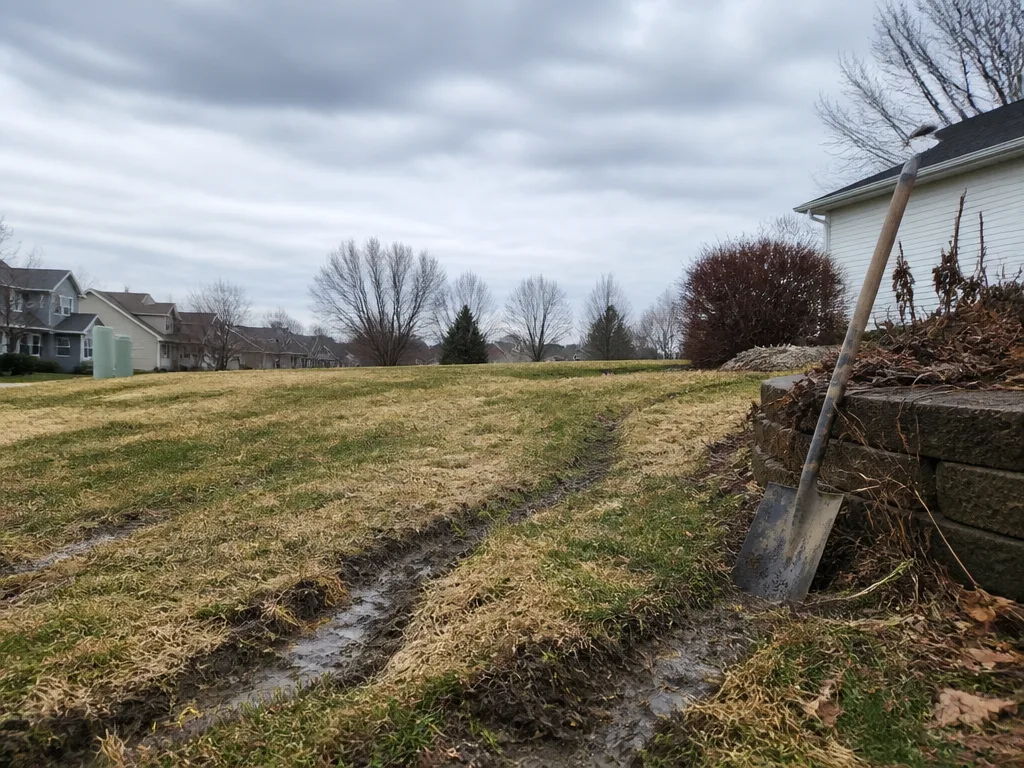
In Illinois, spring moisture can be uneven. Start with a light core of attention to the soil, not just the blade. A gentle dethatching if you have a thatch layer, followed by a balanced fertilizer, can boost early growth. Aim for a slow, even rise in vigor rather than a single heavy push. Our team can help set a schedule that respects Illinois weather patterns and soil variability.
As the days warm, monitor soil moisture. A deep soak every week or two, rather than frequent shallow watering, encourages deeper roots. If you have clay soils in your area, you may need slower irrigation to avoid surface runoff. Illinois crews are used to adjusting watering practices to local conditions.
Summer care that stays practical
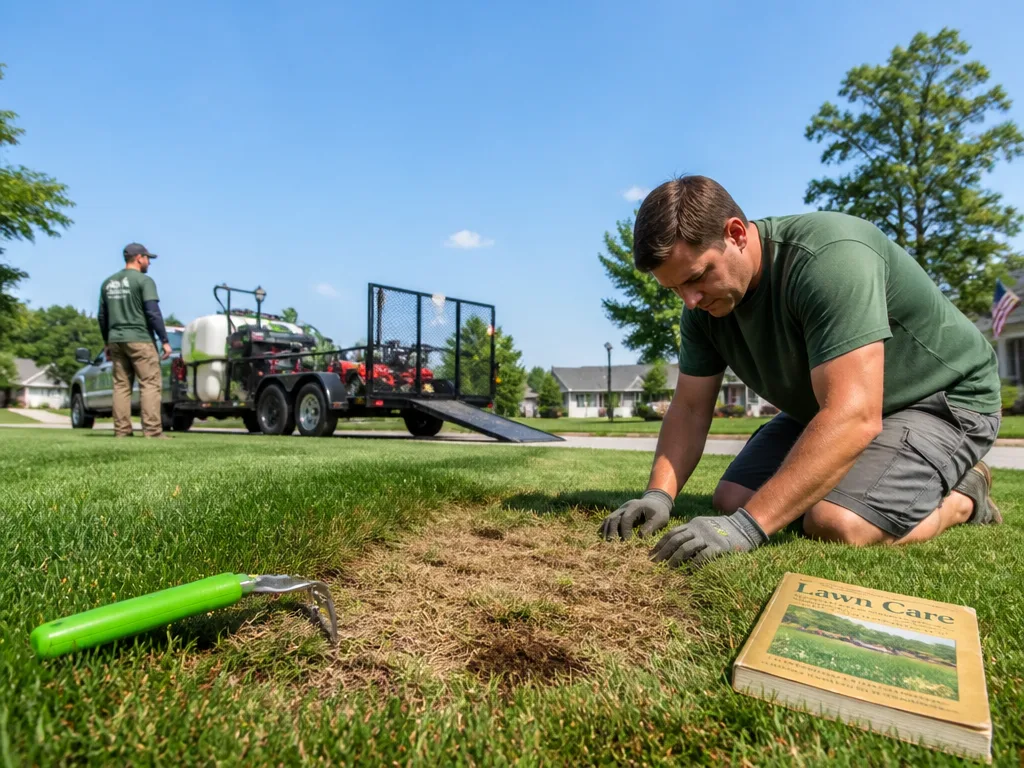
Summer heat in Illinois stresses lawns. Raise mowing heights to keep the canopy tall, which helps shade the soil and reduce water loss. Water early in the day to minimize evaporation, and avoid overwatering that leads to shallow roots or fungal feel in extreme heat. If you notice heat stress, focus on steady moisture rather than aggressive feeding.
We also watch for signs of drought stress that vary from region to region in Illinois. If turf turns blue-green or becomes brittle, consider a targeted, slower watering plan and a light nutrient boost to sustain growth without encouraging disease.
Fall steps for a strong comeback
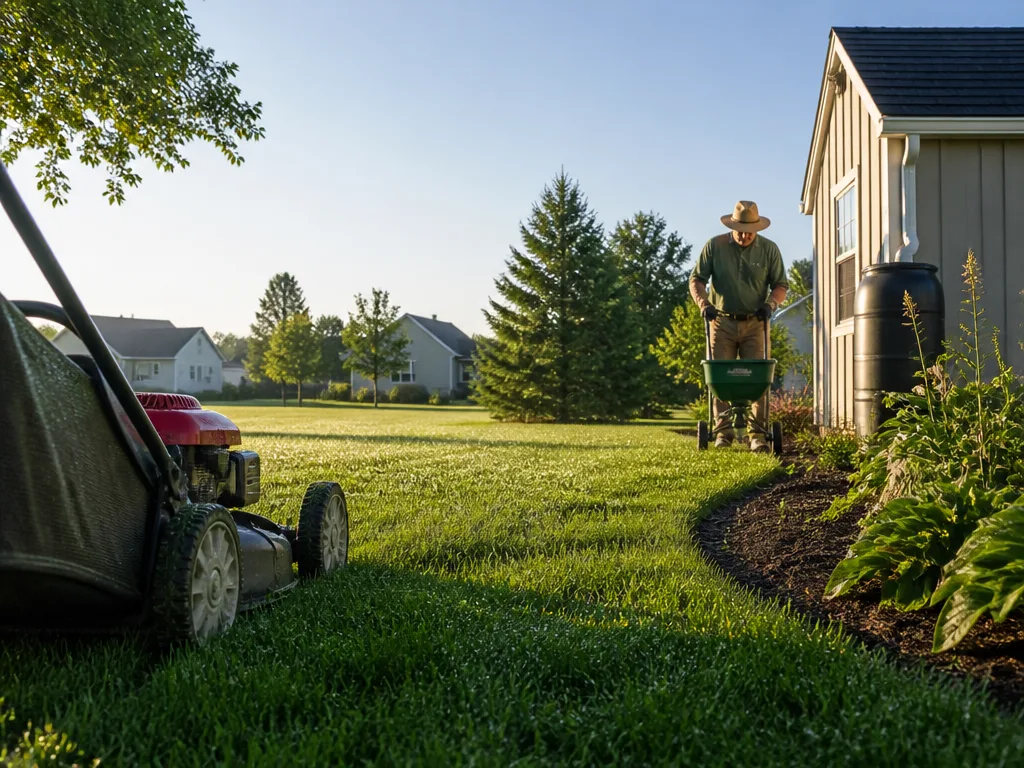
Autumn in Illinois is prime recovery time. Fertilization with a balanced mix helps plants store energy for winter. Rake regularly to remove excess thatch and debris, allowing air and nutrients to reach the roots. If you have elongated growing seasons in your area, you might extend these steps a bit into late fall, but keep soil temperatures in mind as growth slows down.
Throughout the year, monitor your lawn for changes in color, density, and growth pace. A simple diary of monthly observations helps you compare seasons and detect emerging issues early. Illinois Stump Grinding can review your seasonal calendar and adjust plans to keep lawns healthy across Illinois.
Seasonal checklist
- Spring: test soil, assess thatch, begin balanced feeding
- Summer: raise mowing height, early morning irrigation, monitor for stress
- Fall: clean up debris, reseed thin spots, apply a steady, final feeding
Keeping a consistent, statewide routine gives you a lawn that holds up across Illinois seasons. If you want a simple plan tailored to your property, talk to a lawn care specialist from Illinois Stump Grinding. We’ll map it out for where you live in Illinois and the kind of turf you manage.